

গুহ্য জ্ঞান
Gujhya Gyan: A Doorway to the Inner Traditions
An orientation to a careful study of Tantra as philosophy, ritual culture, contemplative discipline and sacred art.
অধ্যায়গুলি প্রথমে ইংরেজিতে প্রকাশিত। বাংলা অনুবাদ পরে আসবে।
Guhya means hidden, interior, protected or esoteric; jñāna means knowledge or knowing. “Gujhya Gyan” is therefore not a promise of sensational secrets. It is an invitation to approach teachings whose depth appears gradually through study, ethical life, contemplation, devotion and—where a tradition requires it—responsible guidance.
Tantra is often reduced to one exotic idea. Historically, however, it names a wide and internally diverse family of Hindu, Buddhist and Jain texts, institutions, ritual systems, contemplative methods and visual cultures. Some traditions are centered on Śiva, some on the Goddess, some on Viṣṇu; Buddhist tantric systems developed their own scriptures, deities and initiatory structures. These currents influenced temples, kingship, poetry, dance, yoga, philosophy and household worship across South and Southeast Asia.
How to read this collection
This library uses four lenses together:
- History: What can inscriptions, manuscripts, art and scholarship tell us about when traditions became visible?
- Tradition: How do lineages describe themselves, their revelations and their goals?
- Symbol: What do deity forms, mantra, yantra, gesture and sacred geography communicate?
- Discernment: What protects dignity, consent, safety and intellectual honesty?
No single lens is sufficient. History without living voices can become sterile; devotion without critical care can become credulous; symbols without context can be misread; secrecy without ethics can shelter abuse. A mature approach holds reverence and discrimination—śraddhā and viveka—together.
Knowledge and transformation
In many tantric settings, knowledge is not merely information. To “know” a deity or principle may mean to recognize it in worship, body, breath, awareness and conduct. This does not make historical facts irrelevant. It means a text can be read on several levels: as a document from a time and place, a map of a ritual world, a philosophical argument, and a contemplative invitation.
Tantric sources frequently refuse a simple opposition between sacred and ordinary. The body, sound, imagination, matter and emotion may be treated as fields through which awareness becomes refined. Yet “everything can be sacred” never means “anything is permitted.” Traditions prescribe boundaries, qualifications, vows and consequences precisely because power without discipline is dangerous.
A protected doorway
These chapters explain concepts and contexts. They do not reproduce restricted initiations, secret mantras or high-risk rites. A public website can responsibly illuminate history, symbolism and ethics; it cannot replace a living teacher, community accountability or the slow formation that serious practice demands.
Begin with What Tantra Is—and Is Not, then explore the history and many streams. The FAQ gives short answers, while Sahadeva is designed to answer within the same bounded, source-aware spirit.
ভিত্তি
What Tantra Is—and Is Not
A plural definition of Tantra beyond popular stereotypes.
When Did Tantra Emerge?
A careful timeline that separates roots, emergence, textual evidence and later flourishing.
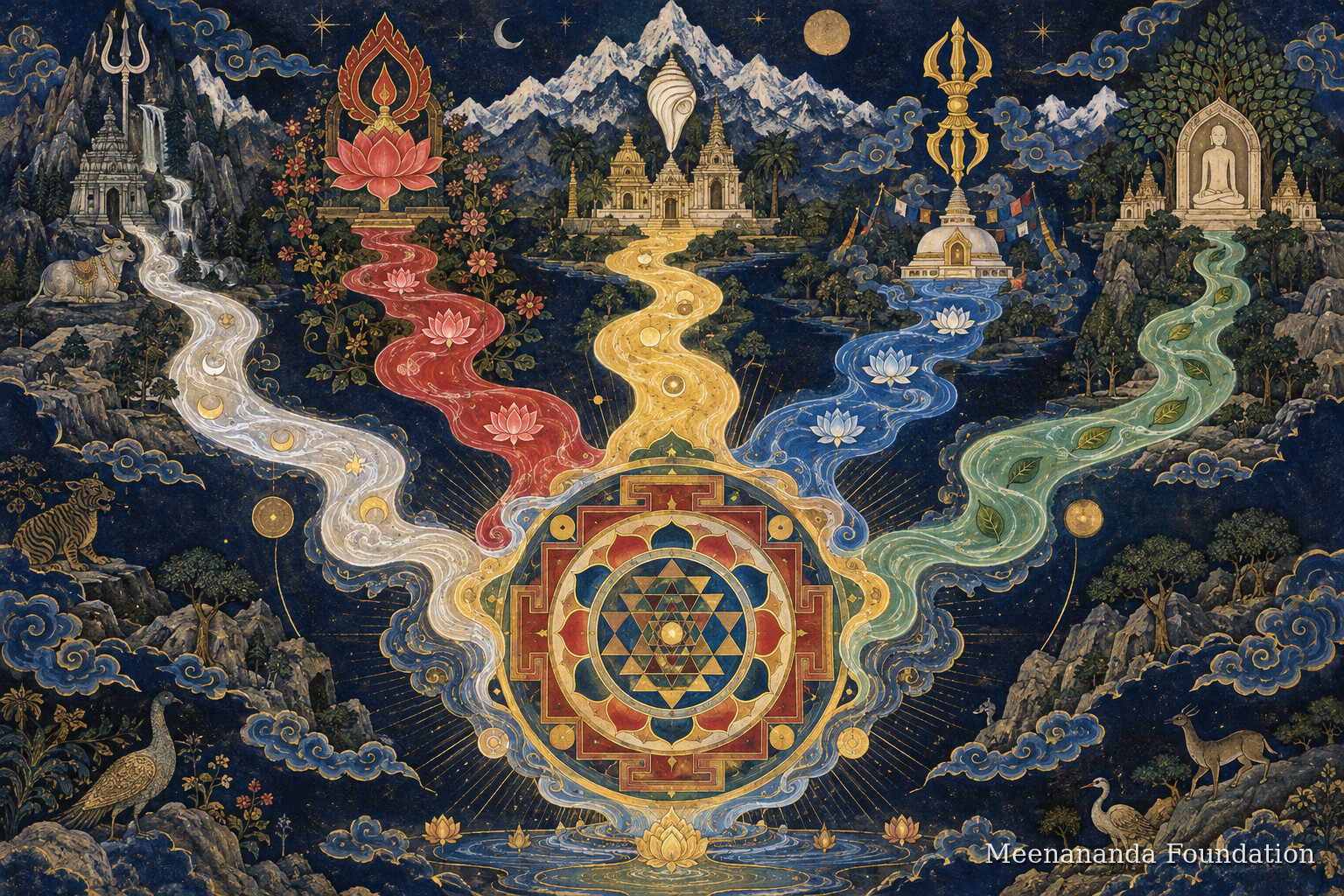
How Many Streams of Tantra?
Why no single number is authoritative, and four useful ways to map tantric diversity.
পরম্পরা
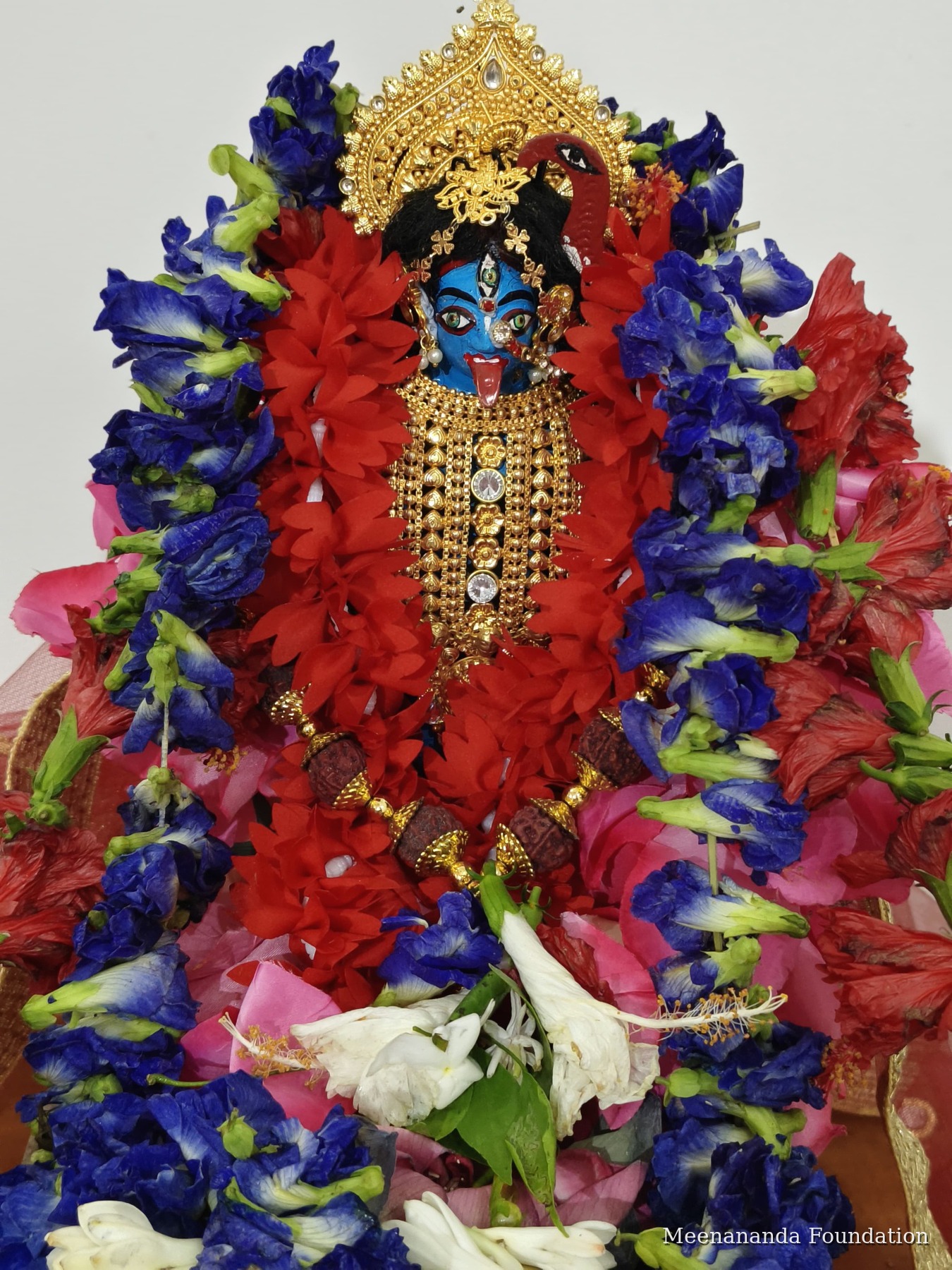
The Śākta Vision
Divine power as Mother, presence and the very fabric of manifestation.
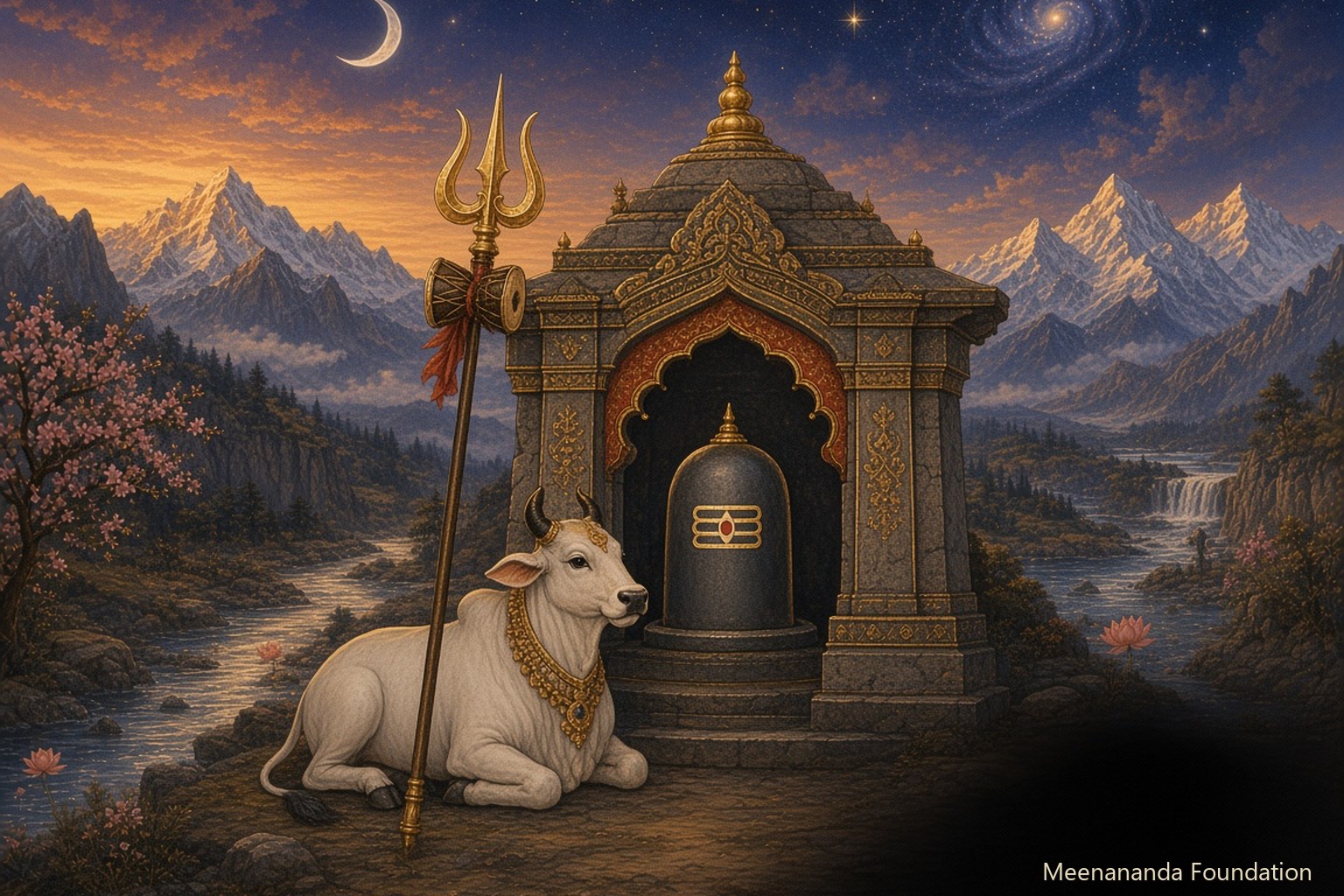
Śaiva Tantric Worlds
From temple liturgy and Śaiva Siddhānta to nondual currents of Bhairava and recognition.
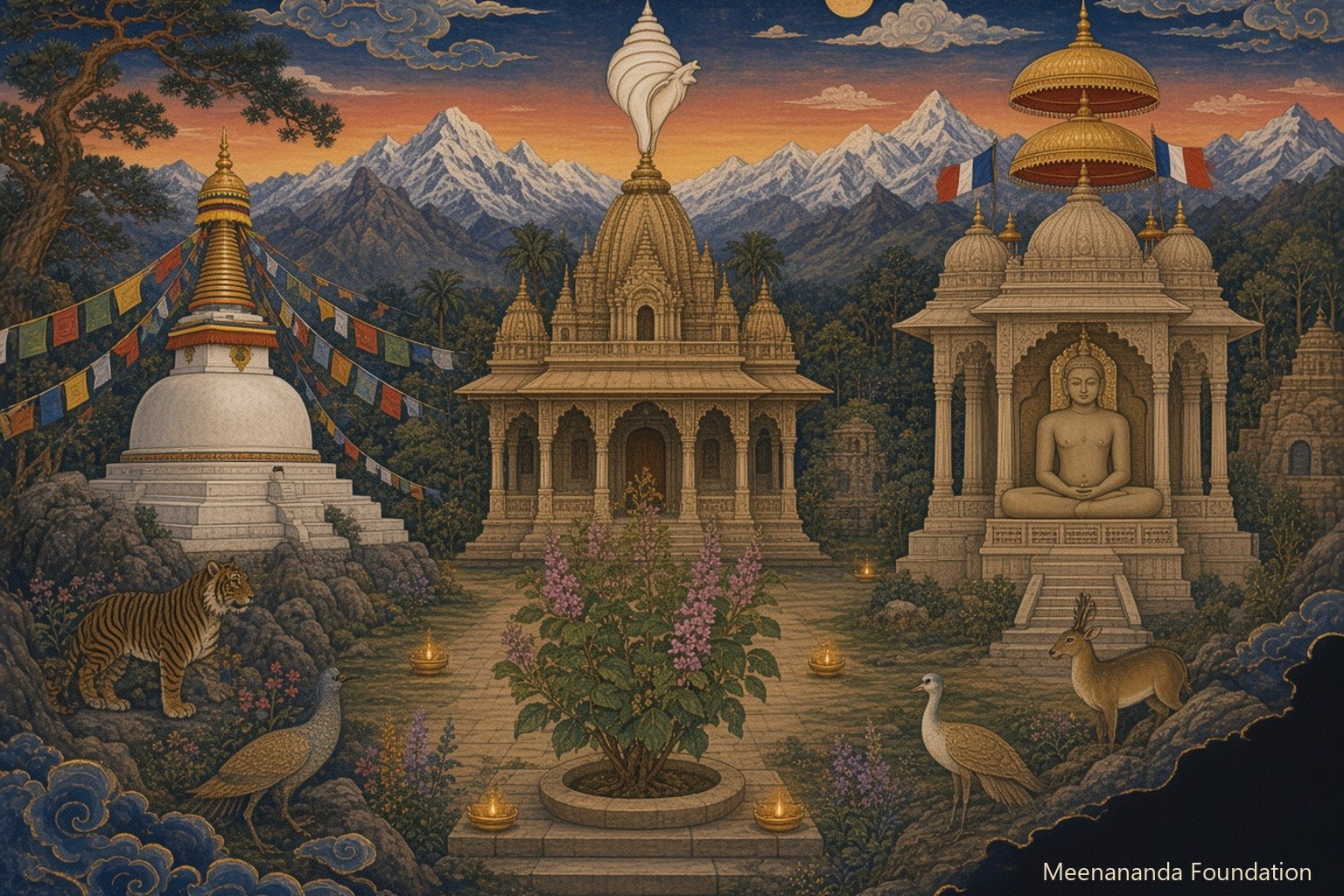
Buddhist, Vaiṣṇava and Jain Tantric Currents
Shared ritual technologies do not erase distinct philosophies and religious identities.

Bengal: Goddess, Devotion and Tantra
A regional world where Kālī, Tārā, poetry, pilgrimage and tantric memory meet.
প্রতীক ও সাধনা
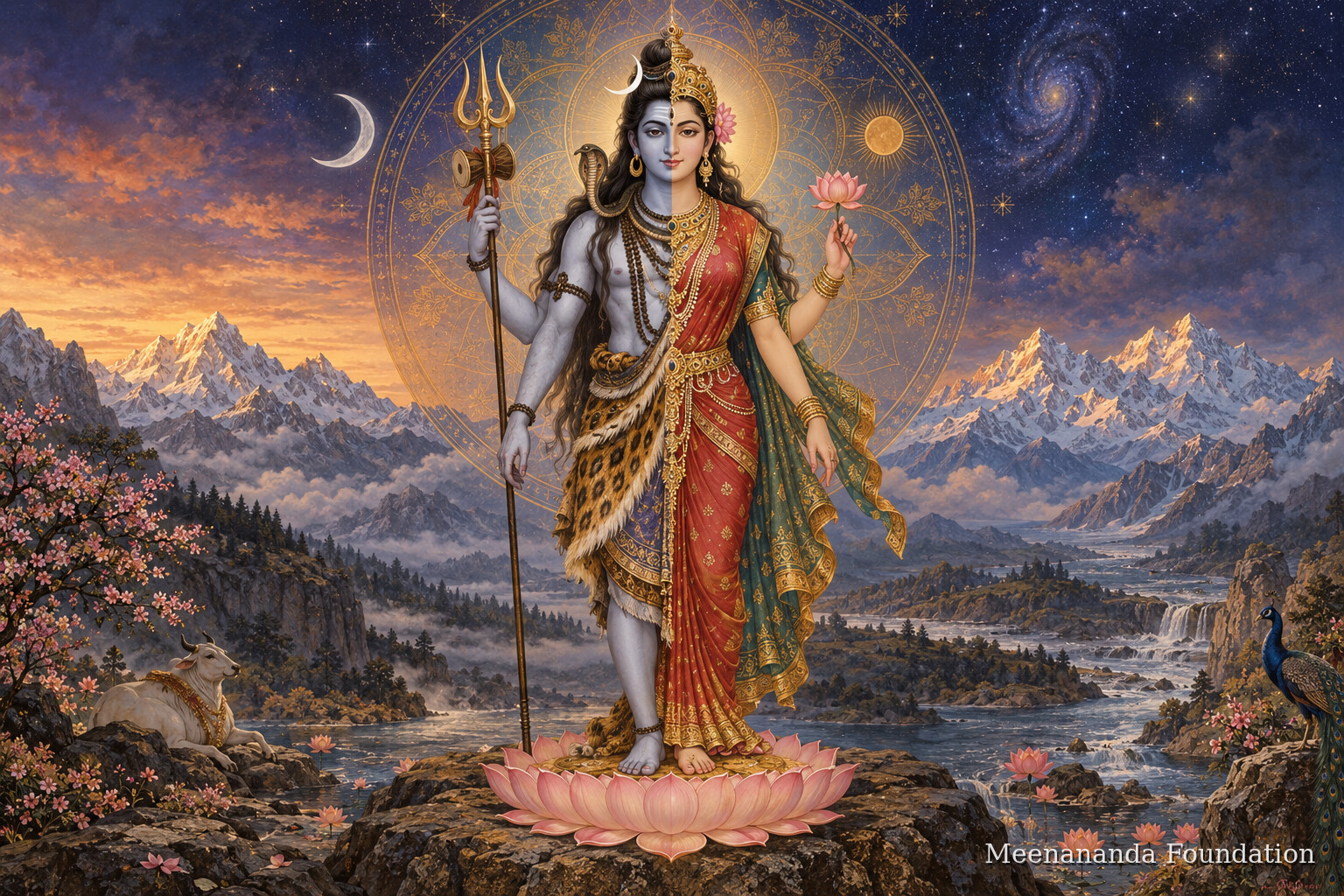
Śiva, Śakti and Ardhanārīśvara
The inseparability of awareness and power, contemplated through the composite form of Śiva and Pārvatī.

Mantra, Yantra, Mudrā and Inner Attention
Sound, form, gesture and awareness as interdependent languages of sacred presence.
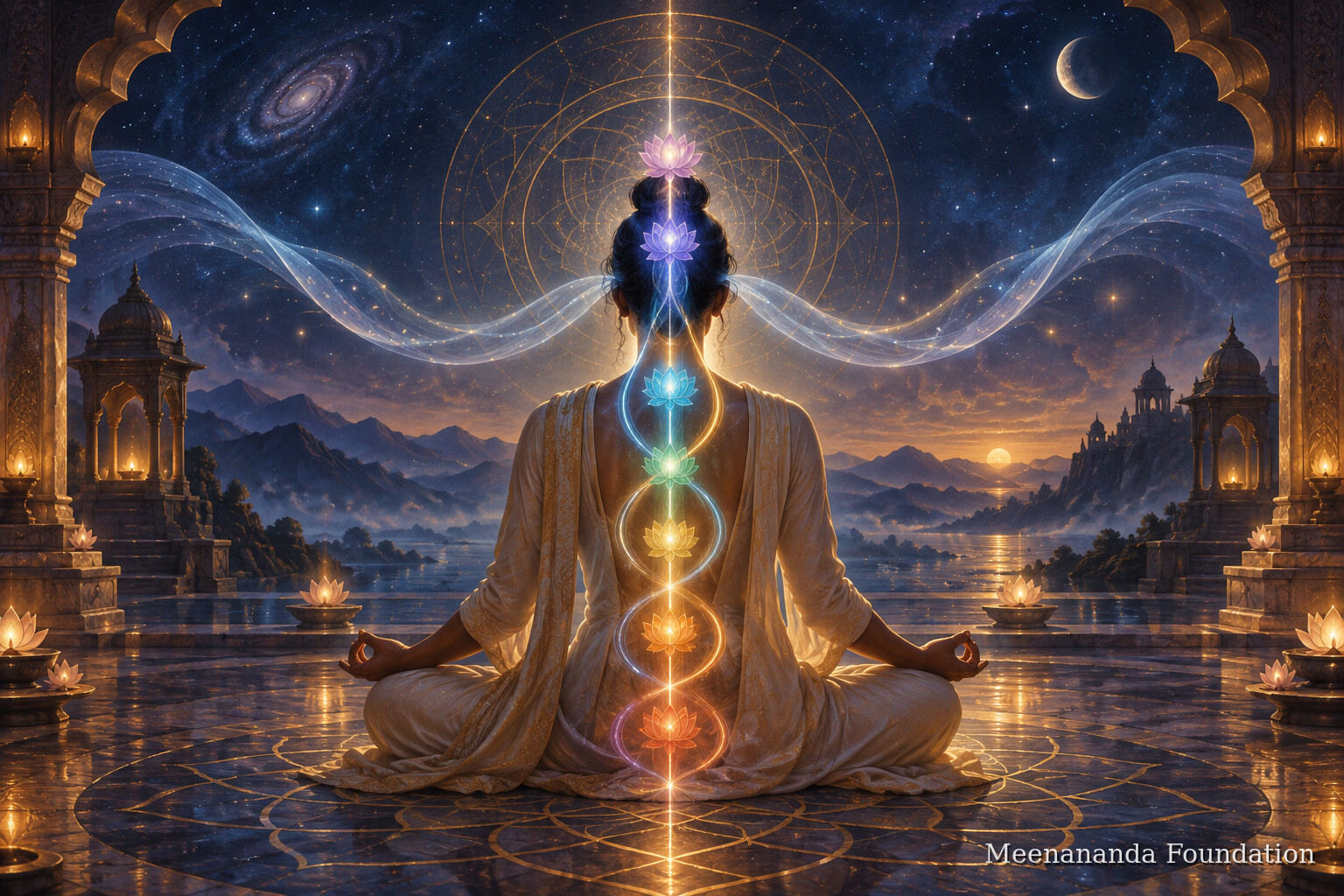
The Subtle Body as Sacred Map
Nāḍī, cakra, breath and kuṇḍalinī as lineage-shaped contemplative maps—not modern anatomy.

Guru, Dīkṣā and Ethical Discernment
Why transmission matters—and why spiritual authority must remain accountable.
পাঠকক্ষ
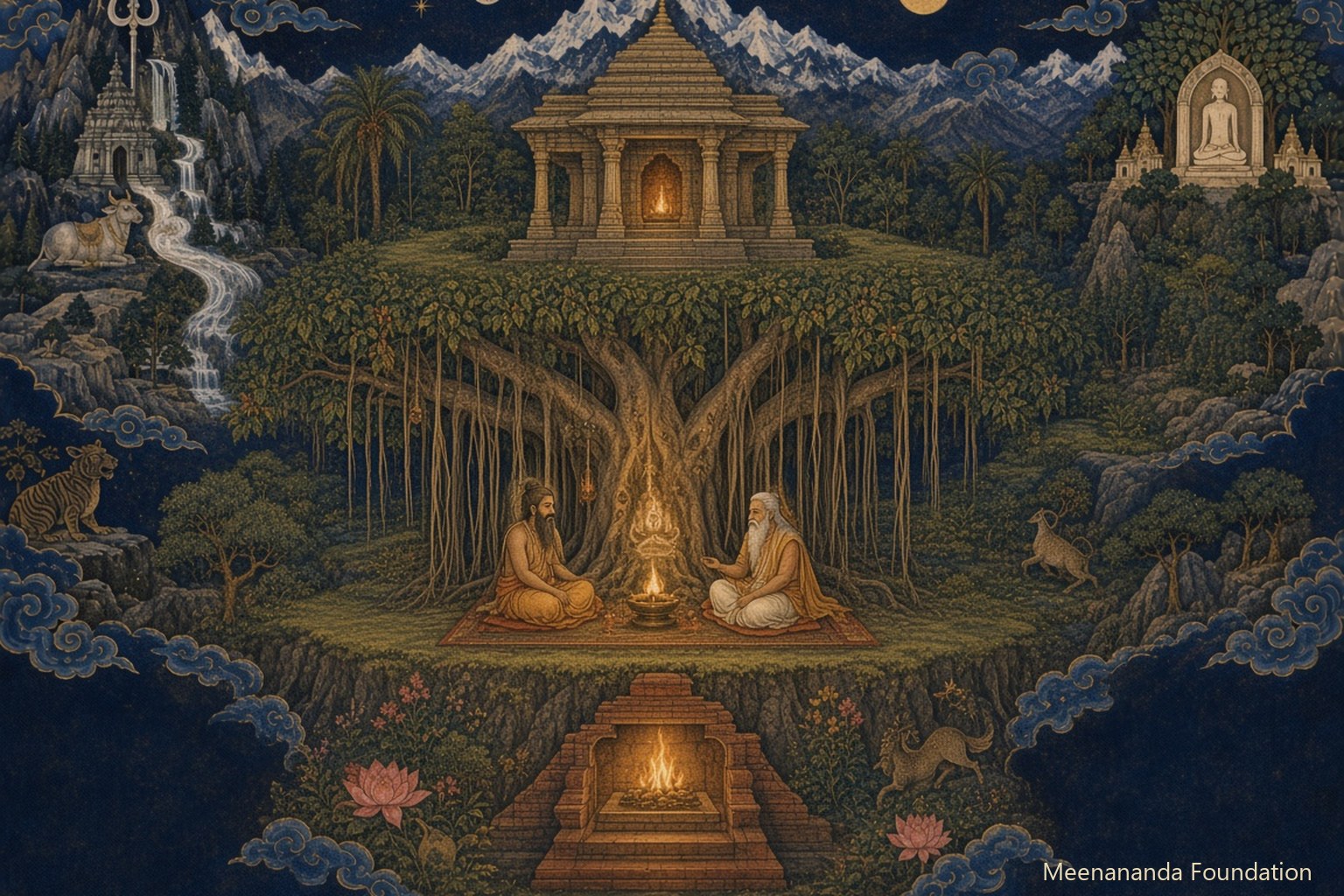
Tantra, Veda and Upaniṣad
The four Vedas, the Upaniṣads, and how tantric traditions inherited, debated and transformed that older revelation.
Frequently Asked Questions
Short, careful answers to common questions about Tantra and related traditions.
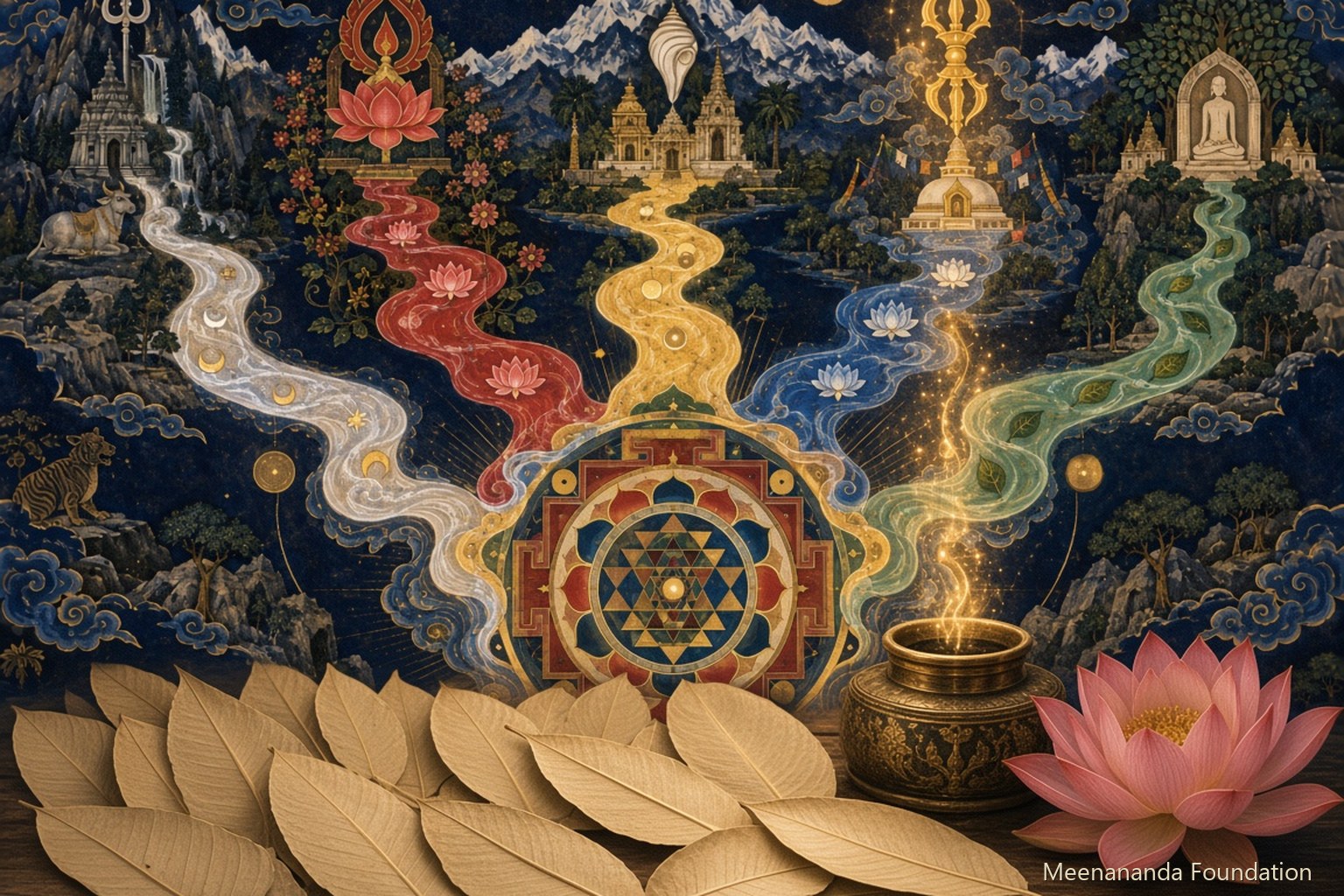
Glossary
Plain-language definitions of recurring Sanskrit and study terms.

Sources and Further Reading
Public institutional sources and a selected scholarly reading list.